
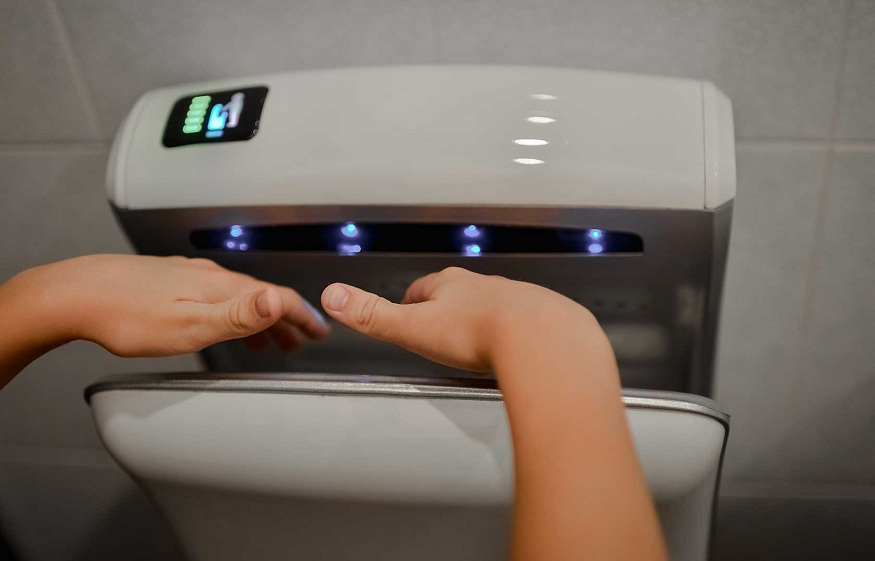
In the realm of public health and sanitation, the significance of clean hands cannot be overstated. From warding off the spread of common colds to combating more serious infections, maintaining proper hand hygiene is paramount. In recent years, hand dryers have emerged as a popular alternative to paper towels in public restrooms, touted for their efficiency and environmental friendliness. However, beyond their convenience and eco-conscious appeal, hand dryers offer many hygiene benefits that make them a superior choice for promoting clean hands. In this article, we will outline thehygiene benefits of hand dryersin detail.Let’stake a look.
1. Reduced Cross-Contamination:
Traditional paper towels, while effective at drying hands, pose a significant risk of cross-contamination. As multiple individuals use the same dispenser, there’s a likelihood of transferring germs and bacteria from one person to another. Hand dryers, on the other hand, eliminate this risk by utilizing touchless technology or minimal contact mechanisms, thereby reducing the spread of harmful pathogens.
Moreover, the design of hand dryers prevents the accumulation of moisture, which is known to facilitate the growth and transmission of bacteria. With paper towels, dampness can linger on surfaces, creating an ideal breeding ground for microbes. Hand dryers, however, swiftly evaporate moisture, leaving hands dry and free from residual moisture that can harbor bacteria.
2. Rapid Drying Time:
One of the key advantages of hand dryers is their ability to quickly dry hands. Studies have shown that thorough drying is crucial for eliminating lingering bacteria and preventing their proliferation. Unlike paper towels, which may require multiple sheets to achieve dryness, hand dryers efficiently evaporate moisture, leaving hands clean and hygienic in seconds.
Furthermore, the rapid drying time offered by hand dryers enhances user satisfaction and encourages compliance with hand hygiene protocols. Individuals are more likely to thoroughly dry their hands when presented with a fast and convenient drying method, reducing the risk of contamination, and promoting overall hygiene.
3. Environmental Sustainability:
In an era marked by growing environmental concerns, the sustainability of hand dryers cannot be overlooked. By opting for hand dryers over paper towels, establishments significantly reduce their carbon footprint by eliminating the need for paper production, transportation, and disposal. This eco-friendly approach aligns with global efforts to minimize waste and conserve natural resources, making hand dryers a responsible choice for hygiene-conscious consumers.
Read More: Navigating Power Outages: Essential Don’ts and the Role of Home Backup Batteries
As well as this, some hand dryers are designed to be energy-efficient, further reducing their environmental impact. By using energy-saving technologies such as low-wattage motors and sensor-based activation systems, these hand dryers minimize electricity consumption while still providing effective hand drying solutions. This combination of sustainability and efficiency makes hand dryers a win-win choice for both environmental stewardship and public health.
4. Anti-Bacterial Technology:
Many modern hand dryers are equipped with advanced features, such as HEPA filters and antimicrobial coatings, that actively combat the proliferation of bacteria. These technologies not only ensure that the air blown onto hands is clean and free from contaminants but also contribute to maintaining the hygiene of the dryer’s surface. As a result, users can trust that the equipment they’re using actively promotes hand cleanliness and minimizes the risk of infection transmission.
In addition, the incorporation of antimicrobial materials in hand dryer construction inhibits the growth of bacteria on surfaces, reducing the need for frequent cleaning and disinfection. This not only saves time and resources but also contributes to maintaining a consistently hygienic restroom environment.
5. Touchless Operation:
The rise of touchless hand dryers represents a significant advancement in restroom hygiene. By eliminating the need for physical contact with the appliance, touchless hand dryers reduce the likelihood of germ transfer between users. Furthermore, touchless operation minimizes the risk of surface contamination, as there are fewer points of contact where bacteria can thrive. This innovative approach to hand drying not only enhances cleanliness but also provides users with a hygienic and convenient experience.
Touchless hand dryers also promote inclusivity by accommodating individuals with disabilities or mobility issues who may have difficulty operating traditional hand dryers or handling paper towels. By offering a user-friendly and accessible hand drying solution, establishments demonstrate their commitment to creating inclusive and hygienic environments for all patrons.
6. Compliance with Hygiene Standards:
Hand dryers play a vital role in helping establishments meet and exceed hygiene standards and regulations. Whether in healthcare facilities, food service establishments, or office buildings, maintaininghigh levels of hand hygiene is essential for safeguarding public health. By investing in hand dryers equipped with hygiene-enhancing features, businesses demonstrate their commitment to providing a safe and sanitary environment for employees, customers, and visitors alike.
Read More: Everything You Need to Know About Autoclaved Aerated Concrete (AAC) Blocks
Notably, hand dryers are often recommended by health authorities and regulatory agencies as a preferred hand drying method due to their effectiveness in reducing bacterial contamination. By adhering to these recommendations and implementing hand dryers in their facilities, businesses can ensure compliance with industry standards and best practices in hygiene management.
7. Cost-Effectiveness:
While the initial investment in hand dryers may be higher compared to paper towel dispensers, their long-term cost-effectiveness is undeniable. Hand dryers eliminate the ongoing expense of purchasing and restocking paper towels, resulting in significant cost savings over time. Additionally, the durability and longevity of hand dryer units reduce maintenance and replacement costs, making them a financially prudent choice for facility managers and business owners.
Furthermore, the cost savings associated with reduced waste disposal and environmental impact further enhance the economic benefits of hand dryers. By embracing sustainable and cost-effective hand drying solutions, businesses can allocate resources more efficiently and invest in other areas of operations, ultimately contributing to their long-term success and viability.
For wider commercial, hospitality, or public-facing projects, small supporting details can make the finished space feel more complete. Composite decking can provide a durable, low-maintenance surface for terraces, entrances, outdoor seating areas, and customer-facing spaces; while traditional signage can add character, direction, and brand presence; while digital signage can share changing information, promotions, menus, or wayfinding updates clearly.
Conclusion:
In the ongoing pursuit of optimal hand hygiene, hand dryers emerge as a modern solution that offers numerous advantages over traditional paper towels. From reducing cross-contamination and rapid drying to incorporating advanced anti-bacterial technology and touchless operation, hand dryers provide a comprehensive approach to promoting cleanliness and hygiene in public restrooms.
Moreover, the environmental sustainability, compliance with hygiene standards, and cost-effectiveness of hand dryers further underscore their superiority as a hand drying solution. By embracing the hygiene benefits of hand dryers, businesses and institutions can create safer, more sanitary environments that prioritize the health and well-being of individuals worldwide.