A home’s gas line is one of its most important utility systems, supplying fuel for appliances such as stoves, water heaters, furnaces, and fireplaces. Because natural gas is highly efficient, many homeowners rely on it every day without giving much thought to the condition of the pipes that deliver it. However, when problems arise, taking immediate action is essential. Before scheduling gas line repair, homeowners should understand the signs of trouble, the repair process, and the importance of working with experienced professionals.
Knowing what to expect before repairs begin can make the experience smoother while helping protect your property and everyone inside it.
Recognize The Early Warning Signs
Gas line problems often begin with subtle warning signs that should never be ignored. A sulfur-like odor, commonly compared to rotten eggs, is one of the most recognizable indicators of a possible gas leak. You may also notice hissing sounds near exposed pipes, dead vegetation around underground gas lines, or unexpectedly high gas bills.
Read More: The Hygiene Benefits of Hand Dryers
Other signs include pilot lights that frequently go out, reduced appliance performance, or unexplained headaches and dizziness while inside the home. Even if these symptoms appear minor, they deserve immediate attention because gas leaks can quickly become dangerous if left unresolved.
Understand That Safety Comes First
Before any repair work begins, the primary concern is safety. If you suspect a significant gas leak, leave the building immediately without using electrical switches, phones, or anything that could create a spark. Once you’ve reached a safe distance, call your gas supplier and, if required, emergency authorities.
Only after the area has been declared safe should repair work begin. Understanding these basic safety precautions allows homeowners to respond calmly and appropriately during an emergency.
Know What Causes Gas Line Damage
Gas lines can develop problems for several reasons. Older pipes naturally deteriorate over time, especially in homes with aging infrastructure. Corrosion, shifting soil, tree root intrusion, accidental digging during landscaping projects, and improper previous installations can all contribute to damaged gas lines.
Understanding the possible causes helps homeowners recognize why repairs may become necessary even when no obvious external damage is visible.
Expect A Thorough Inspection
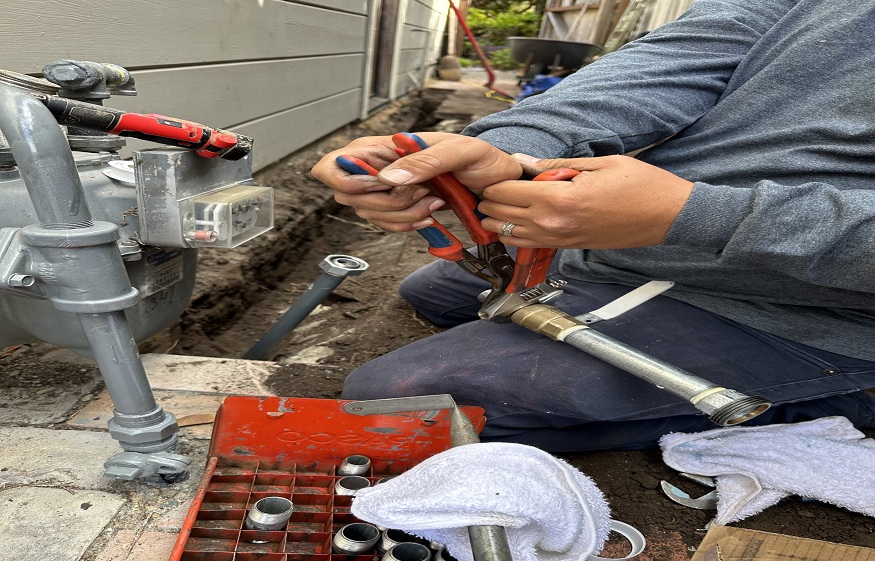
Professional technicians rarely begin repairs without first performing a detailed inspection. Modern equipment allows specialists to detect leaks accurately without unnecessary damage to walls, floors, or landscaping.
The inspection may involve pressure testing, electronic leak detection devices, or visual evaluations of exposed piping. This diagnostic process ensures that the true source of the problem is identified before any repairs are made, preventing recurring issues later.
Ask About Repair Versus Replacement
Not every damaged gas line requires complete replacement. Small sections of piping with isolated damage can often be repaired safely, while extensive corrosion or widespread deterioration may require larger sections of the system to be replaced.
Homeowners should discuss available options with the technician, including expected lifespan, long-term reliability, and overall safety. Making an informed decision today may help reduce future maintenance expenses.
Prepare Your Home Before The Appointment
Simple preparation can help the repair process move more efficiently. Clear access to gas appliances, utility rooms, crawl spaces, or outdoor gas meters whenever possible. Remove obstacles that could slow technicians as they inspect and repair the system.
If pets are present, keeping them secured during the appointment creates a safer work environment for everyone involved.
Understand Possible Service Interruptions
During gas line repair, the gas supply may need to be temporarily shut off. This allows technicians to work safely while preventing additional leaks. Once repairs are complete, the system is carefully tested before service is restored.
Homeowners should plan accordingly, particularly if gas-powered appliances provide heating, cooking, or hot water. Temporary interruptions are a normal part of many repair projects and contribute to the overall safety of the repair process.
Verify Professional Qualifications
Gas line repairs should always be handled by qualified professionals who understand local building codes and safety regulations. Proper licensing, training, and experience help ensure that repairs meet industry standards and protect the long-term reliability of the system.
Choosing experienced technicians also provides greater confidence that inspections, testing, and final safety checks will be completed correctly.
Consider Preventive Maintenance
Scheduling periodic inspections can identify minor concerns before they develop into emergency situations. Preventive maintenance helps detect corrosion, loose fittings, aging valves, and other issues that may not be visible during normal daily use.
Routine inspections often extend the life of the gas distribution system while reducing the likelihood of unexpected breakdowns or emergency repairs.
Keep Documentation For Future Reference
After repairs are completed, retain copies of inspection reports, invoices, warranties, and any recommendations provided by the technician. These data may be useful for future maintenance planning, house sales, insurance verification, or warranty claims.
Read More: Navigating Power Outages: Essential Don’ts and the Role of Home Backup Batteries
Maintaining organized service records also helps technicians understand the history of your gas system if future repairs become necessary.
Conclusion
Scheduling gas line repair involves much more than simply fixing a damaged pipe. Homeowners should understand the warning signs, prioritize safety, prepare for inspections, and work with qualified professionals who follow proper repair procedures. By learning what to expect before repairs begin, homeowners can make informed decisions while protecting both their investment and their family’s well-being. Prompt attention to gas line concerns helps ensure that your home’s energy system continues operating safely, efficiently, and reliably for years to come.